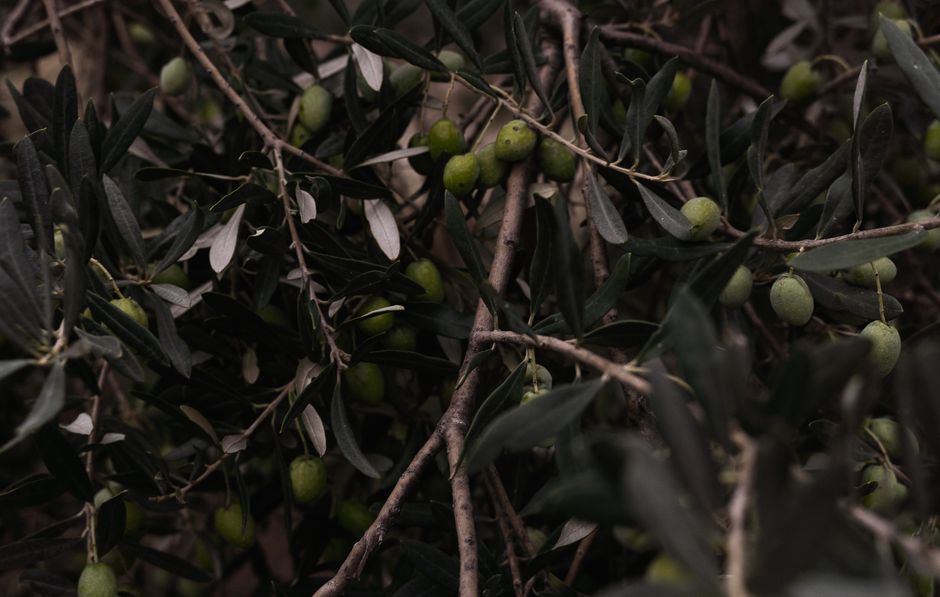
Zambujeiro
Explore the essence of Portugal through the wild olive tree, Zambujeiro.
On a sun-drenched afternoon, the fragrant scent of sun-warmed earth fills the air, mingling with the slight briny notes of the nearby coast. As you wander through the undulating hills of Alentejo, you stumble upon a majestic Zambujeiro, its gnarled branches reaching out like the arms of an old friend. The wild olive tree stands sentinel, its leaves shimmering silver in the dappled sunlight, a living symbol of resilience and time.
The Zambujeiro thrives in the harshest of environments, its roots digging deep into the arid soil, echoing the spirit of Portugal itself—a land that has endured much yet bursts forth with life and vibrancy. This tree embodies the very essence of the Mediterranean landscapes, with its silvery foliage and exquisite, twisted form telling stories of centuries past. Memories of harvests, of families gathering for picnics in its shade, linger like sunlight on the skin.
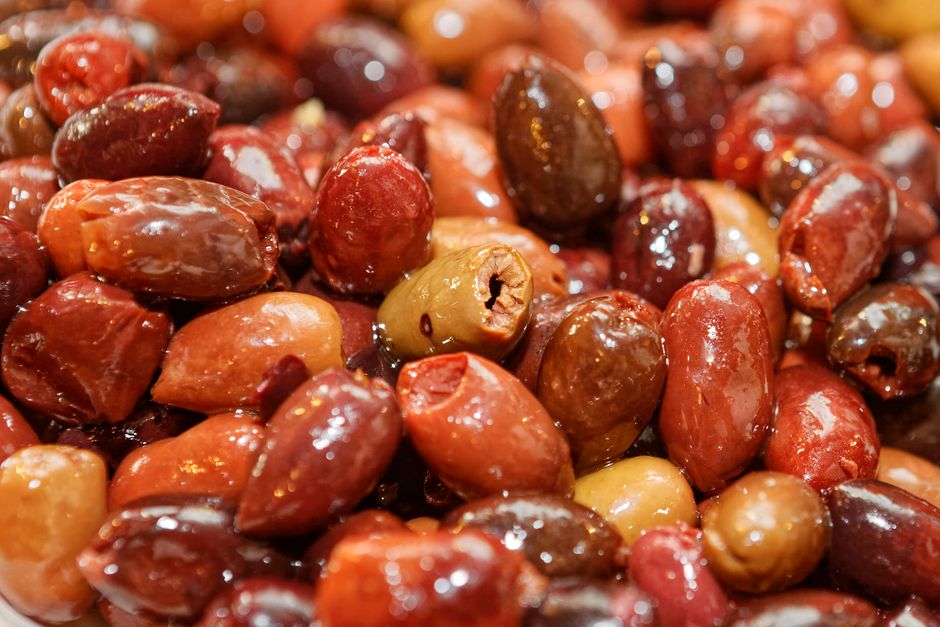
When you bite into the olives, there's an explosion of flavor, both bitter and sweet. They are the fruit of a tree that has been intertwined with Portuguese culture for generations, often represented in literature and art as a mark of simplicity and grace. There’s a sense of unity found beneath the branches of a Zambujeiro, a space where laughter mingles with the rustling of leaves, alive with the spirit of communal meals and stories shared over a table groaning with food.
The Zambujeiro is not merely a tree; it is a testament to the land’s untamed beauty, a reminder of the quiet strength found in nature. It invites you to pause, breathe, and soak in the nuances of the moment— to feel the sun on your face and the cool breeze whispering through the branches. In its presence, you understand why this wild olive tree is beloved, not just for its fruit but for the serenity it offers in a world that moves too quickly.