Xadrez
Experience the vibrant pulse of chess in Portugal's streets and clubs.
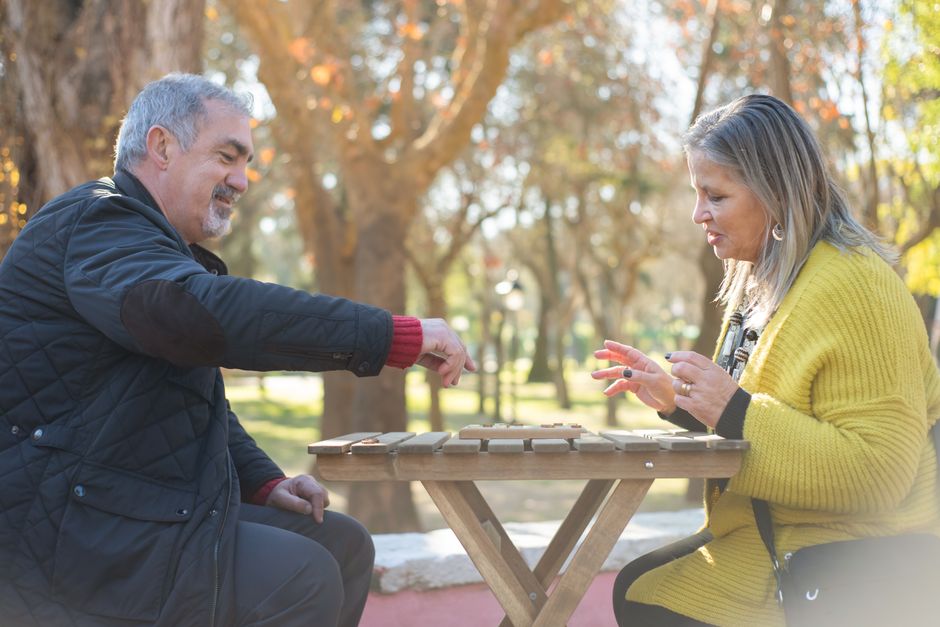
Under the dappled shade of a sprawling fig tree in a Lisbon square, the game of Xadrez unfolds. The air is thick with anticipation, the sounds of clinking glasses and idle chatter fading as Moisés contemplates his next move. His brow furrows, and a slight grin appears when he realizes he has the upper hand. Across from him, a weathered man squints in the afternoon sun, his fingers dancing over the pieces, each one a soldier in this silent battle.
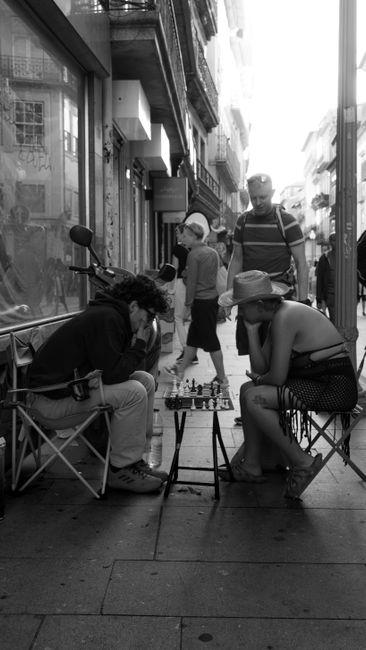
In Portugal, Xadrez is not merely a game but a ritual. Cafés become arenas, where young and old gather—not just to sip on bica and nibble on pastéis de nata, but to lay intricate strategies that echo the history of the nation. Outside of cafes, I’ve seen boards set up on street corners, the players often animated, their voices rising and falling like the tides. Each clash of pieces is a moment suspended in time, a conversation without words that speaks of patience, skill, and community.
The origins of Xadrez can be traced back to the 15th century, when the game first arrived in the Iberian Peninsula, likely transported by Moorish influences. Over the centuries, it has morphed into a cultural staple, embraced by artists and thinkers, celebrated as a reflection of the Portuguese spirit: strategic, contemplative, yet vibrant. The game mirrors Portuguese life—each move requires foresight, an understanding of one's opponent, and the audacity to curve fate with a single decision.
As the sun dips lower, painting the sky with hues reminiscent of the tiles that decorate many a Lisboa facade, I realize that this game is about more than just capturing the king. It’s about connection: the warm smiles of spectators, the shared laughter after a surprising blunder, the nod of respect after a well-played match. In the heart of Portugal, where Xadrez thrives, the lines between competition and camaraderie blur, creating a vibrant tapestry of shared moments and bright futures.