Fadista
Experience the soul of Portugal through the passionate voice of a Fadista.
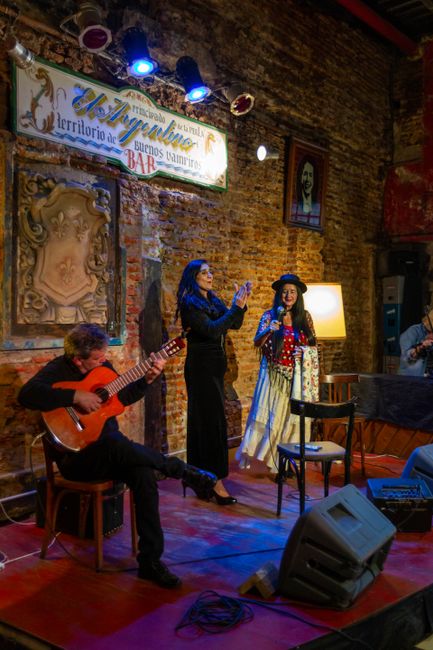
In a dimly lit tavern in Alfama, the air thick with the scent of grilled sardines and the tang of red wine, you’ll find a Fadista standing alone, her back to the lilting sounds of the street outside. The walls seem to pulse with the weight of history, each crack and crevice echoing the pain and love that fado embodies. With her eyes closed, her voice soars, wrapping around the patrons like a warm shawl on a cool night, inviting them to share in her sorrow and joy.
Fado is not just music; it is a manifestation of the very soul of Lisbon. The term fado itself comes from the Latin fatum, meaning fate, a nod to the genre's themes of longing and destiny. Each Fadista becomes a storyteller, weaving tales of lost love and nostalgia, their voices a bridge between past and present. It is here that the ordinary becomes extraordinary, where a simple melody can stir something deep within you, an echo of a feeling you thought long buried.
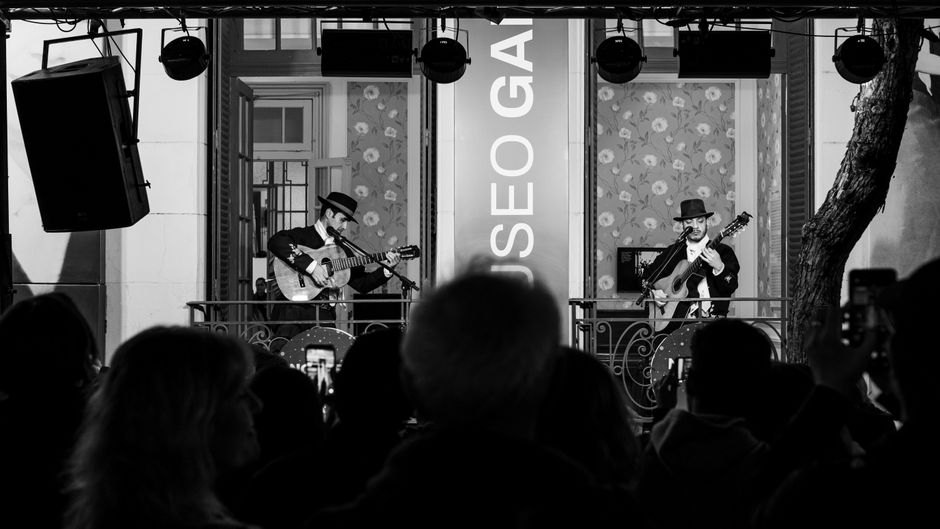
As the Fadista bends over her guitarra, fingers dancing over the strings, you notice the way the candlelight flickers, illuminating her face, revealing a mixture of anguish and ecstasy. It’s not just about the music; it’s the way it draws you in, the way it makes you feel alive in moments of vulnerability. The rhythm of her heart seems to synchronize with the strum of the guitar, creating an intimacy that’s palpable.
Fado is often performed in the most unexpected places—a family kitchen, a street corner, where everyday life meets the sublime. The Fadista becomes a part of the fabric of the environment, transforming the mundane into a space for reflection, connection, and sometimes, catharsis. It is this essence of community, of shared experience, that turns a performance into something sacred.
And as the last notes linger in the air, you realize that a night in Lisbon without the haunting voice of a Fadista is like a painting without color—beautiful, yet incomplete.