Utopia
Discover the idealized visions of society in Portuguese culture.
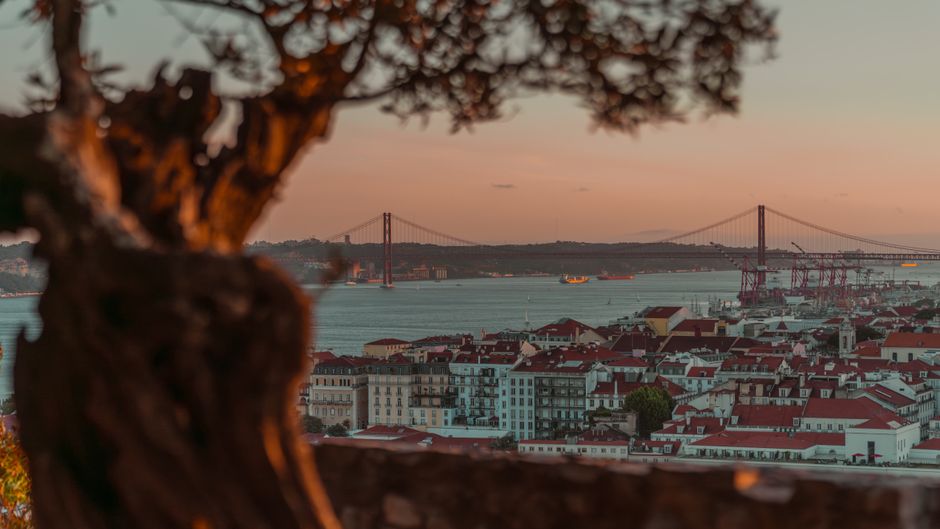
At a small café in Alfama, the scent of freshly baked pastéis de nata mingles with the sound of laughter from a table of locals, and a thought floats through the air: Utopia. It is here, amidst the vibrant mosaics of life, that the Portuguese spirit conjures a landscape of dreams, an ideal that dances just out of reach. This elusive concept, so deeply woven into the fabric of the nation, is not merely a distant fantasy; it pulses with the heartbeat of Lisbon itself.<\/p>
The Portuguese have long toyed with visions of Utopia, whether through the works of Fernando Pessoa, where the poet’s many heteronyms explore the essence of being, or in the tales of explorers setting sail for the unknown. The Age of Discovery, that intoxicating period, brimmed with the promise of new worlds—a literal and metaphorical pursuit of perfection. Who, amongst the waves, didn’t dream of finding an Eden beyond the horizon? Each departure was a testament to hope, a stepping stone along the rocky path toward an imagined paradise.

But what does a modern Utopia look like? Perhaps it is a sunlit afternoon in a bustling market, where the cacophony of vendors mingles with the sweet melody of a guitar. One can feel the sense of community wrapping around them like a warm shawl, a shared moment of existence in a world that can often feel cold and fragmented. It is here where harmony exists among the dissonance, where everyday people create their own den of bliss, even amid the chaos of urban life.
As dusk settles over the city, the soft glow of street lamps illuminates the cobblestones, and the shadows of sinuous alleyways whisper stories of dreams both lost and found. The Utopia of Portugal is not perfection; it is the acceptance of flaws and the celebration of life’s messy beauty. In the heart of Lisbon, the ideal lives on—not as a destination but as the journey itself, the gathering of experiences to form a mosaic of hope, love, and laughter.