Pombalino
Experience the vibrant echoes of Lisbon's post-earthquake architecture.
Under the orange glow of the setting sun, as the last light touches the Pombalino facades, the streets of Lisbon pulse with life. Here, the elegant grid of streets, a testament to order amidst chaos, tells a tale that transcends centuries. You can almost hear the whispers of architects and city planners, each line and corner a decision made in response to the great earthquake of 1755 that reshaped not just buildings, but the very identity of a city.
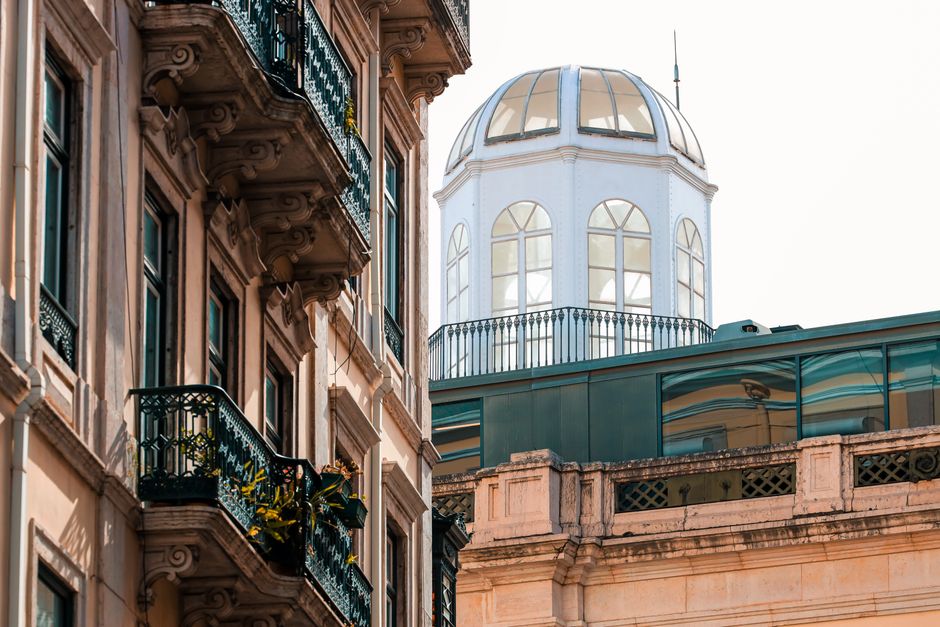
The Pombalino style, named after the marquis of Pombal, emerges like a phoenix from the ashes—practical yet graceful. Look closer at these structures: the wide, airy squares, the clean lines of neoclassicism, and the sturdy yet ornate iron balconies that overlook bustling life below. As you stroll through the Baixa district, the blend of functionality and beauty greets you, an architectural embrace that still feels contemporary, even centuries later.

But it’s the little details that spark joy. The way the sun reflects off the whitewashed walls, creating a palette of pale yellows and blues. A breeze carries the scent of fresh bread from a nearby pastelaria, mingling with the faint aroma of roasted chestnuts from a street vendor. The Pombalino buildings stand as guardians to these simple pleasures—each arch and window framing not just a view, but a living, breathing narrative.
The origin of this architectural style is as fascinating as its appearance. After the destructive earthquake, the need for a new urban plan was not simply about rebuilding; it was a philosophical shift, a chance to instill resilience and modernity in Lisbon's very heart. And so emerged the Pombalino style, with its innovative use of materials like wrought iron alongside traditional stones, thoughtfully crafted to both withstand the tremors of nature and the passage of time.
As night falls and street lamps flicker on, the Pombalino architecture becomes a canvas for shadows and whispers. It invites you to linger, to observe, and to feel the pulse of a city reborn. Each visit reveals a new story, each glance at the sharp, clean lines a reminder of resilience. In this mix of practicality and beauty, you find the essence of Lisbon—a city that refuses to forget its past while continually embracing the future.