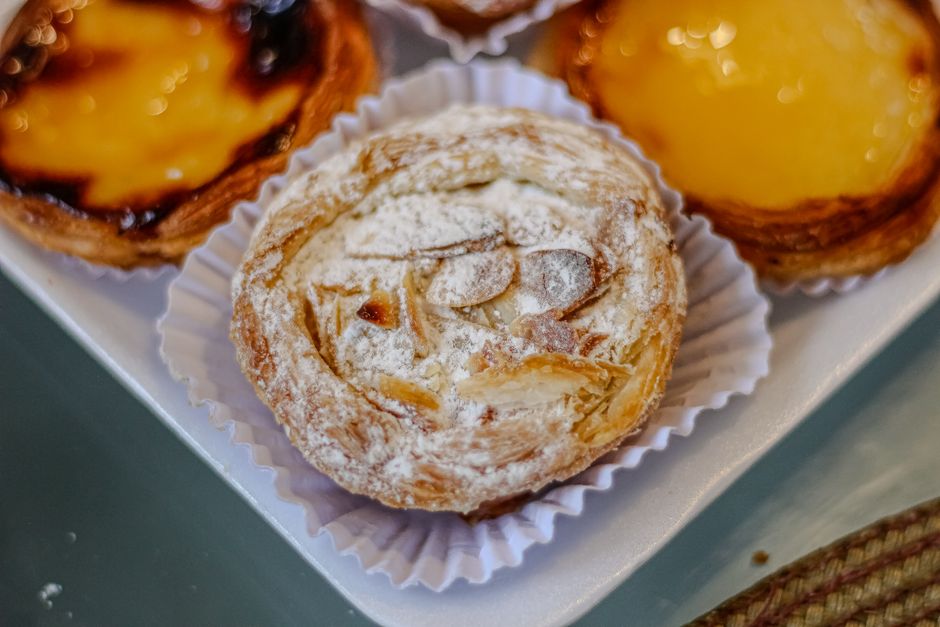
Pastel de Nata
Savor the sweet, flaky embrace of a traditional Portuguese custard tart.
In the heart of Porto, there’s a café where the air is rich with the scent of caramelizing sugar. A small crowd gathers, eyes sparkling with anticipation as golden-brown pastries emerge from the oven, their delicate crusts flaky and warm. You can almost hear the soft sighs of satisfied patrons as they take that first bite of a Pastel de Nata. Each one is an invitation to experience a moment of pure indulgence.
The Pastel de Nata, often regarded as the quintessential Portuguese pastry, is not just a custard tart; it is a ritual. The creamy custard sits nestled in its crisp shell, perfectly balanced between sweet and subtly spiced—a hint of cinnamon teasing the palate. The first bite reveals a warm, silken filling that seems to whisper secrets of the ancient monks who first crafted this delicacy in the 18th century. It was in Belém, near Lisbon, where the unforeseen delight of this pastry took root, and where each bite carries a legacy of culinary ingenuity.
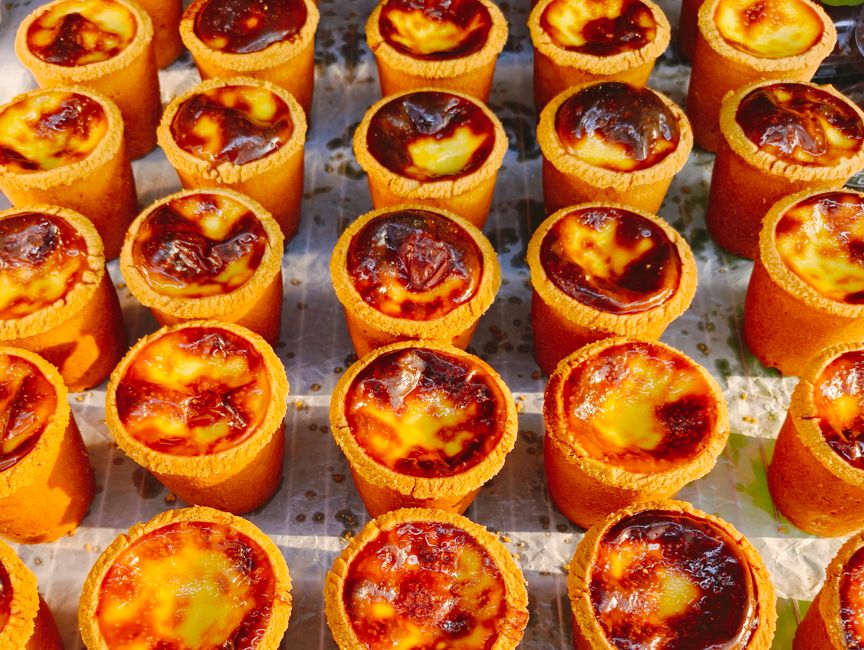
Each café has its own character, and the Pastel de Nata reflects this. One can find them in cozy corners, and bustling bakeries, each version telling a story unique to its maker. The competition is fierce, each pastry chef striving for that elusive perfect texture—the gratifying crack of the shell, the silky smoothness of the custard, and the sugar-dusted top that glistens like morning dew. There’s a friendliness in their presentation, inviting you to indulge your senses, one Pastel de Nata at a time.
And as you sit there, sipping a bica (an espresso) while the world flows around you, the Pastel de Nata becomes more than just a snack. It’s a moment of connection—a shared experience with the local culture, a piece of Portugal that you can hold, taste, and savor. The sun might glimmer through the café's window, illuminating the delicate pastry, but it’s the warmth of the custard that embraces you, creating a fleeting but unforgettable memory.