
Azulejo
Discover the beauty and intricacy of Portugal's azulejos
Under the sweltering sun, a azulejo glimmers like a jewel on the side of a crumbling building in Alfama. Each tile is a piece of history, a square of painted ceramic that whispers tales of the past. The soft click of my shoes against the mosaic pavement harmonizes with the distant strumming of a guitarra, as I trace the vibrant blues and yellows that weave around the entrance of a small café. Here, the azulejo turns walls into canvases, breathing life into old stones, while the aroma of freshly brewed bica fills the air, providing a warm embrace for both the locals and visitors alike.
These tiles, painted with extraordinary skill, are more than mere decoration; they are the storytellers of a culture, of a time when artisans devoted their lives to crafting beauty. The term itself finds its roots in the Arabic word al-zuleycha, meaning "polished stone." Introduced to the Portuguese by Moorish influence, the azulejo evolved from simple geometric patterns to elaborate scenes depicting everything from religious narratives to pastoral landscapes. Each piece reflects a chapter, each pattern a lineage, each color a choice made by the hands of those who came before.
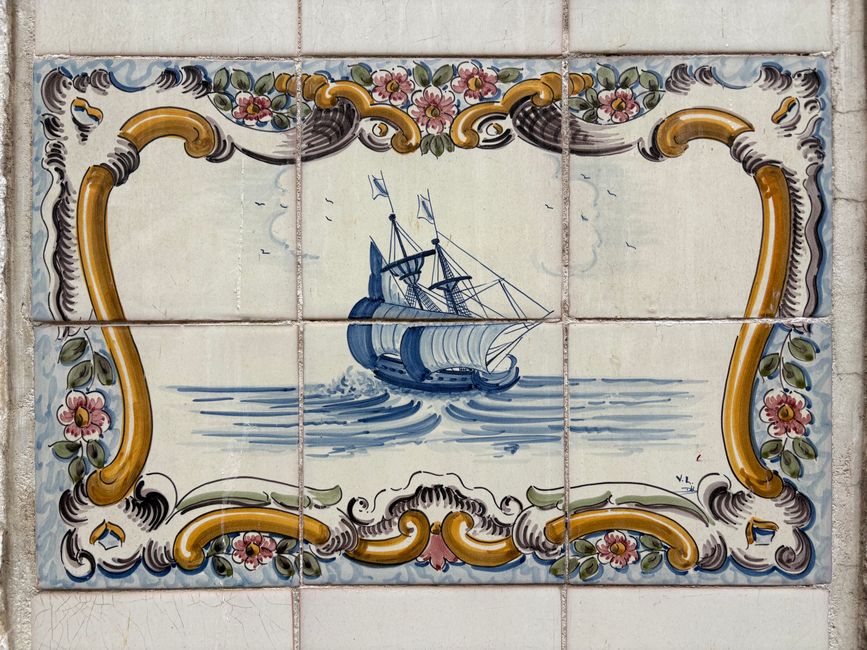
The azulejo finds its way into every corner of Portugal, not just in Lisbon but in the sun-kissed streets of Porto and the serene squares of Évora. Its presence transforms mundane encounters into moments of wonder. Consider the way the light dances off those intricately painted surfaces, each reflection revealing an aspect previously unnoticed, like a fleeting glance from a stranger. You can almost hear the stories they could tell if only they could speak.
As we sip our coffees, the azulejo around us seems to pulse with a quiet energy, marking the passage of time and connecting our present to a vibrant past. In a world racing towards the digital, it is this ancient art that reminds us of the beauty of hand-crafted intimacy, a simplicity that speaks volumes. Look closer, and you might just find a forgotten sentiment hidden in the folds of a painted flower.